

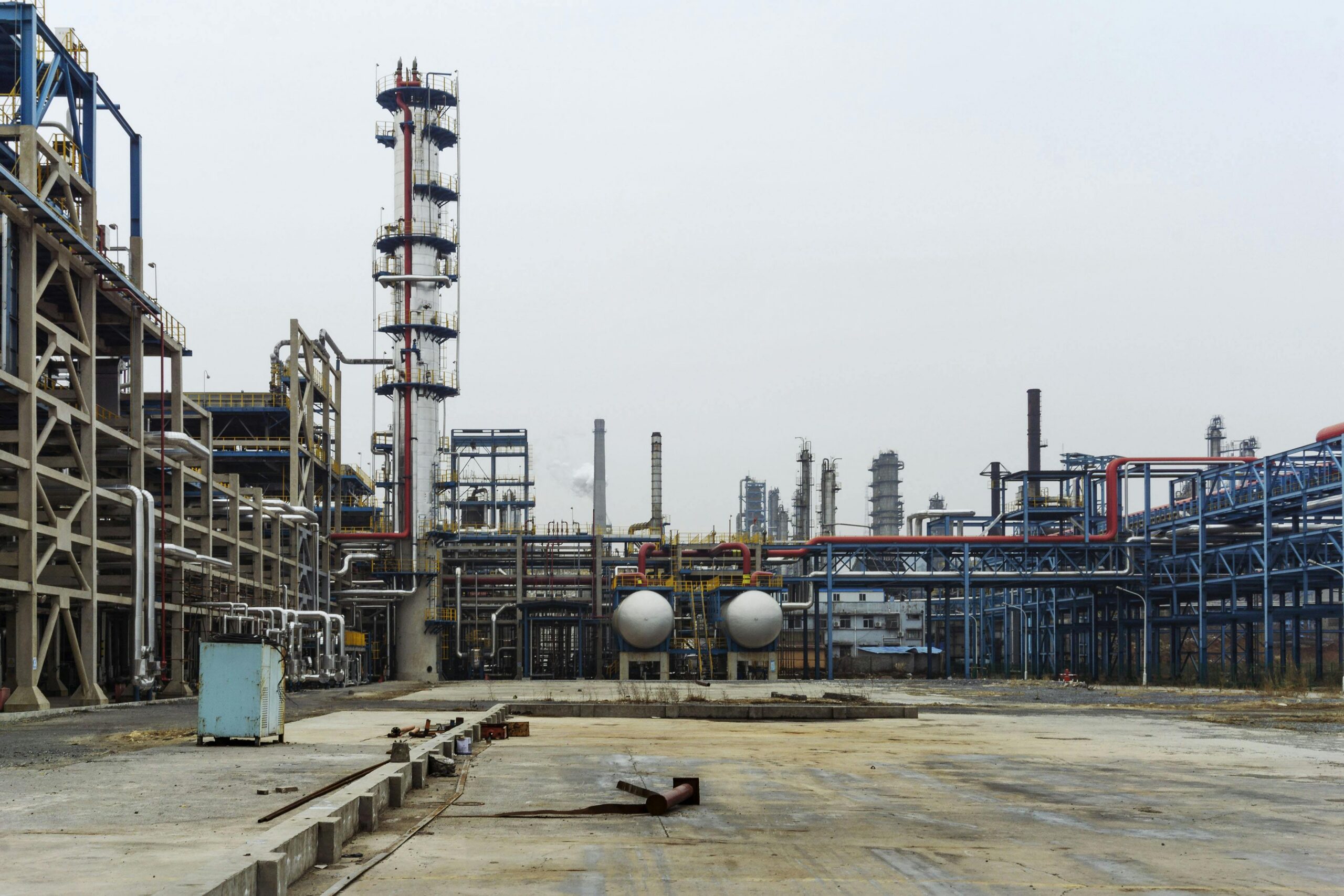
What Is Gas Pretreatment in an LNG Plant?
Gas pretreatment is one of the most important steps in the production of Liquefied Natural Gas (LNG). Before natural gas can be cooled and converted into liquid form, impurities and contaminants must be removed from the raw gas stream.
This process, known as gas pretreatment, ensures that LNG meets strict quality specifications and safety standards for storage, transportation, and end use. Without proper pretreatment, contaminants can damage equipment, reduce efficiency, and impact the long-term reliability of an LNG facility.
At Rev1 Energy, we understand that effective gas pretreatment is not just a technical requirement—it is a critical part of ensuring safe, efficient, and profitable LNG plant operations.
Why Is Gas Pretreatment Necessary?
Gas pretreatment is essential for several reasons.
1. Protecting Equipment During Liquefaction
As natural gas is cooled to cryogenic temperatures, impurities such as water, carbon dioxide, and heavy hydrocarbons can freeze or condense. This can cause:
- Equipment blockages
- Corrosion
- Reduced process efficiency
- Damage to cryogenic systems
Removing these contaminants before liquefaction helps prevent costly downtime and operational failures.
2. Supporting Environmental and Regulatory Compliance
Pretreatment systems help reduce emissions of greenhouse gases and other pollutants. Proper removal of acid gases and hazardous contaminants can improve environmental performance and support compliance with regulatory requirements.
3. Improving LNG Quality and Marketability
Gas pretreatment enhances the final quality of LNG by removing unwanted components that can lower heating value, create safety concerns, or affect transportation specifications. Higher-quality LNG improves marketability, competitiveness, and long-term project profitability.
Main Components of Gas Pretreatment
Gas pretreatment typically includes several key systems, each designed to remove specific contaminants from the natural gas stream.
1. Acid Gas Removal
Acid gas removal systems eliminate acidic components such as:
- Carbon dioxide (CO2)
- Hydrogen sulfide (H2S)
- Mercaptans
These contaminants can lower gas pH, contribute to corrosion, create toxicity concerns, and freeze in cryogenic equipment.
Common acid gas removal methods include:
- Chemical solvents
- Physical solvents
- Membrane separation systems
Removing CO2 is especially important because it can freeze during LNG processing and block critical equipment.
2. Dehydration
Dehydration removes water vapor from the gas stream before liquefaction.
Water can form:
- Ice
- Hydrates
- Flow restrictions
- Equipment damage
Most LNG facilities use molecular sieve systems to remove moisture and protect cryogenic equipment from freezing conditions.
3. Mercury Removal
Mercury is a hazardous contaminant that can accumulate in cryogenic equipment and create serious operational and health risks.
Even small amounts of mercury can:
- Corrode aluminum heat exchangers
- Damage equipment integrity
- Create safety hazards for plant personnel
Mercury removal systems typically use:
- Activated carbon
- Metal sulfides
- Metal oxides
Because aluminum is especially vulnerable to mercury exposure, this pretreatment step is critical in LNG facilities.
4. Nitrogen Rejection
Nitrogen reduces the heating value and overall quality of LNG.
Nitrogen rejection systems improve product quality by separating excess nitrogen from the gas stream using:
- Cryogenic distillation
- Membrane separation
- Pressure swing adsorption (PSA)
This process helps ensure the LNG meets required specifications for pipeline transport and commercial use.
5. Heavies Removal
Heavies removal systems eliminate:
- Natural gas liquids (NGLs)
- Heavier hydrocarbons
- Aromatics such as benzene and toluene
Removing these components improves process stability and prevents operational problems during liquefaction and storage.
Why Pretreatment Matters for LNG Plant Success
Gas pretreatment is more than a technical process—it is a key factor in the safety, efficiency, and profitability of LNG production.
Without proper pretreatment, LNG plants face increased risk of:
- Equipment failure
- Downtime and maintenance issues
- Lower LNG quality
- Reduced operational efficiency
- Environmental and regulatory challenges
By investing in the right pretreatment systems, LNG facilities can improve reliability, reduce risk, and maintain consistent performance over the long term.
At Rev1 Energy, we help LNG facilities optimize every phase of development and operations—from pretreatment systems and commissioning to startup and long-term reliability.
Our team includes electricians, instrumentation & controls specialists, operators, and commissioning professionals with the expertise to support your LNG project from concept through operations.
📩 Contact: Johnie.Boutwell@rev1energy.com
🌐 Visit: www.rev1energy.com
Related Posts

Lets get started
Discover how our commissioning software can transform your project management. Contact us today for a personalized consultation and demo!