

Impact of Strait of Hormuz Disruptions and Geopolitical Events on Global LNG Markets
The global LNG market is highly sensitive to geopolitical instability, especially when major shipping routes are threatened. One of the most important energy chokepoints in the world is the Strait of Hormuz, a narrow waterway connecting the Persian Gulf to global markets.
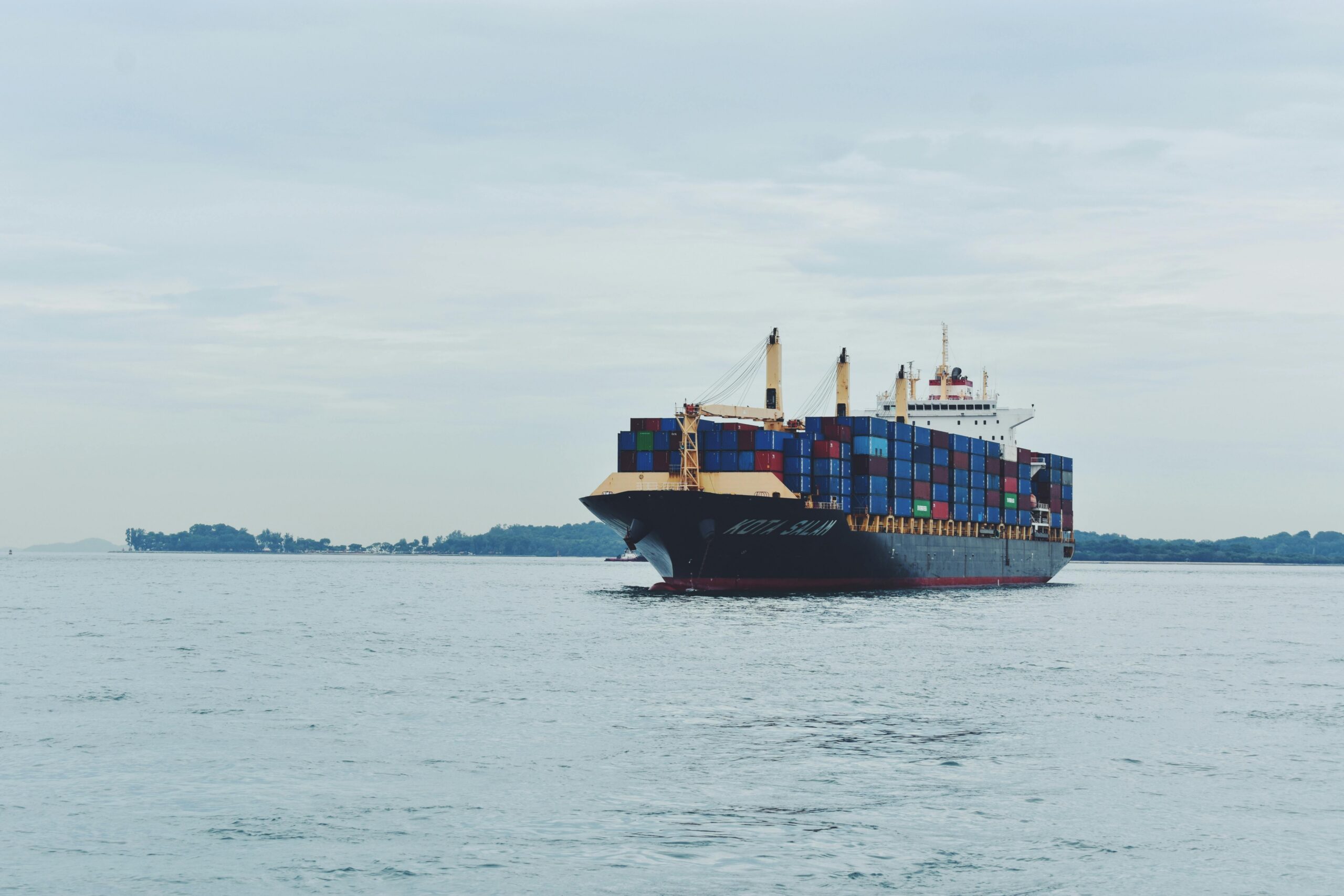
A significant share of the world’s LNG supply passes through this corridor every day, making it a critical route for countries that rely on imported energy. When tensions rise in the Middle East or shipping through the Strait is disrupted, the effects are felt across global LNG markets almost immediately.
Why the Strait of Hormuz Matters
The Strait of Hormuz is one of the most important energy trade routes in the world.
Around 20% of global LNG trade moves through the Strait, with most shipments coming from Qatar and the United Arab Emirates. The majority of those exports are destined for Asian markets, including Japan, South Korea, China, and India. Roughly 83% of LNG moving through the Strait goes to Asia, making the region especially vulnerable to disruptions.
Because so much LNG supply depends on this single corridor, even short-term disruptions can create major uncertainty for global buyers, traders, and infrastructure operators.
How Disruptions Affect Global LNG Markets
When conflict, military threats, or shipping restrictions occur in the Strait of Hormuz, LNG markets typically respond in several ways:
- Increased shipping risks and insurance costs
- Delayed LNG cargo deliveries
- Reduced available global supply
- Higher spot market LNG prices
- Greater competition for alternative LNG sources
Recent disruptions have slowed ship traffic dramatically and reduced LNG flows from the Middle East. Countries that depend heavily on LNG imports have been forced to look for replacement supply from the United States, Australia, and other producers.
As supply tightens, LNG spot prices rise quickly. Europe and Asia have both experienced sharp increases in gas prices during recent tensions in the region, creating added pressure for utilities, manufacturers, and consumers.
Geopolitical Events and the Future of US LNG
Geopolitical instability in the Middle East has increased the strategic importance of American LNG projects.
If disruptions in the Strait of Hormuz continue or worsen, global buyers will increasingly turn to the United States for reliable LNG supply. The U.S. is already one of the world’s leading LNG exporters, and additional demand from Europe and Asia could accelerate investment in export terminals, pipelines, storage facilities, and supporting infrastructure.
Recent market conditions have already strengthened the position of U.S. LNG exporters, with global price increases creating new opportunities for companies that can bring supply to market quickly.
The United States is well-positioned because domestic natural gas production remains relatively stable even during international disruptions. While prices in Asia and Europe have risen sharply, U.S. benchmark gas prices have remained more insulated due to strong domestic supply.
Strategic Opportunities for American LNG Projects
Geopolitical disruption can create major opportunities for U.S. LNG developers and operators, including:
- Increased global demand for American LNG exports
- Stronger trade relationships with Europe and Asia
- Additional investment in export terminals and infrastructure
- Greater interest in long-term LNG supply contracts
- Increased need for commissioning, operations, and reliability services
New export facilities and infrastructure projects could play an increasingly important role in helping global markets reduce reliance on Middle Eastern LNG supply.
The recent startup of the Golden Pass LNG terminal in Texas highlights how new U.S. capacity is becoming increasingly important for global energy security.
Challenges Facing US LNG Growth
While geopolitical instability creates opportunities, it also introduces several challenges for U.S. LNG projects.
Potential obstacles include:
- Labor shortages
- Rising construction costs
- Delays in material procurement
- Regulatory hurdles
- Inflationary pressures
- Infrastructure bottlenecks
Industry leaders have warned that disruptions in global energy markets can also delay the development of new LNG export facilities by increasing equipment costs and supply chain uncertainty.
Additionally, high LNG prices can make natural gas less affordable for some international buyers, which may encourage certain countries to increase investment in renewable energy or alternative fuel sources instead.
At Rev1 Energy, we understand that geopolitical events can reshape LNG markets overnight. As countries seek new energy partners and supply options, American LNG infrastructure will play an increasingly important role in supporting global energy security.
Related Posts


Lets get started
Discover how our commissioning software can transform your project management. Contact us today for a personalized consultation and demo!