

RNG O&M Maintenance
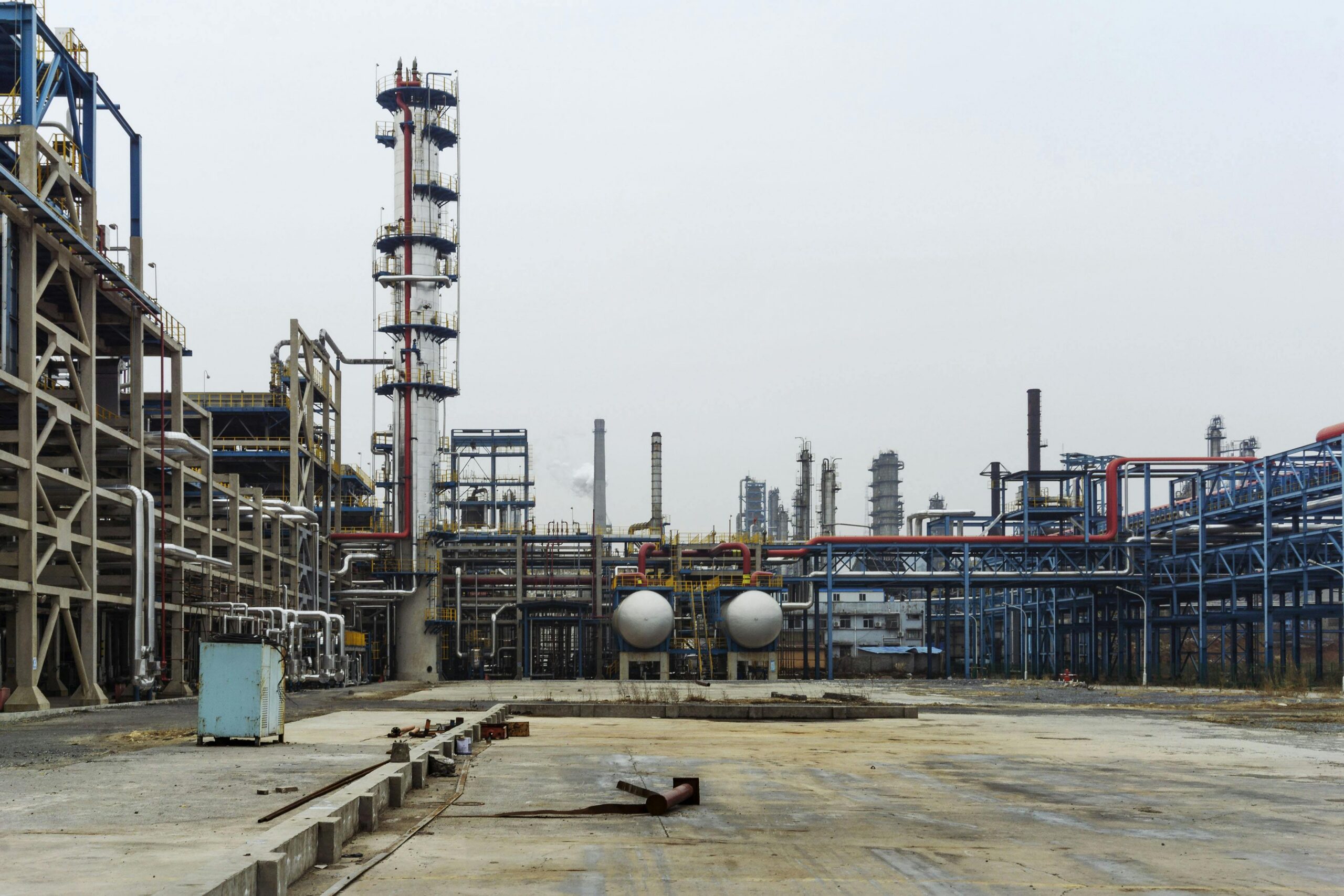
Operations and Maintenance (O&M) for Renewable Natural Gas (RNG) facilities is more than routine upkeep—it is the strategic framework that bridges the gap between construction, commissioning, and long-term production.
A strong O&M plan helps RNG facilities maximize uptime, improve safety, reduce unplanned downtime, and protect long-term return on investment. Without a structured maintenance strategy, even the most advanced RNG facility can face avoidable operational disruptions, increased costs, and performance challenges.
At Rev1 Energy, we believe that successful RNG projects are not just built well—they are maintained well.
Why O&M Matters for RNG Facilities
RNG facilities depend on a complex combination of mechanical, electrical, controls, and process systems operating together efficiently.
As facilities transition from commissioning into full operations, O&M becomes essential for:
- Maintaining gas quality
- Improving equipment reliability
- Reducing safety risks
- Extending equipment lifespan
- Supporting regulatory compliance
- Protecting production and revenue
An effective O&M strategy turns a commissioned facility into a stable, high-performing utility.
Core O&M Maintenance Strategies
1. Preventative Maintenance
Preventative maintenance focuses on scheduled inspections, routine tasks, and planned calibrations to prevent failures before they occur.
Examples include:
- Scheduled equipment inspections
- Calibration of instrumentation and controls
- Lubrication and servicing of rotating equipment
- Replacement of wear parts before failure
Preventative maintenance not only reduces unexpected downtime but also extends the useful life of critical equipment.
2. Predictive Maintenance
Predictive maintenance uses real-time operating data to identify early warning signs of equipment failure before major problems occur.
This can include monitoring for:
- Unusual vibrations
- Temperature spikes
- Pressure fluctuations
- Flow inconsistencies
- Abnormal equipment performance
Using predictive maintenance tools allows operators to address issues proactively, reducing the likelihood of major failures and costly repairs.
3. Routine Inspections
Routine inspections play a key role in maintaining gas quality and overall system reliability.
For RNG facilities, this often includes:
- Leak detection
- Digester health monitoring
- Equipment walkdowns
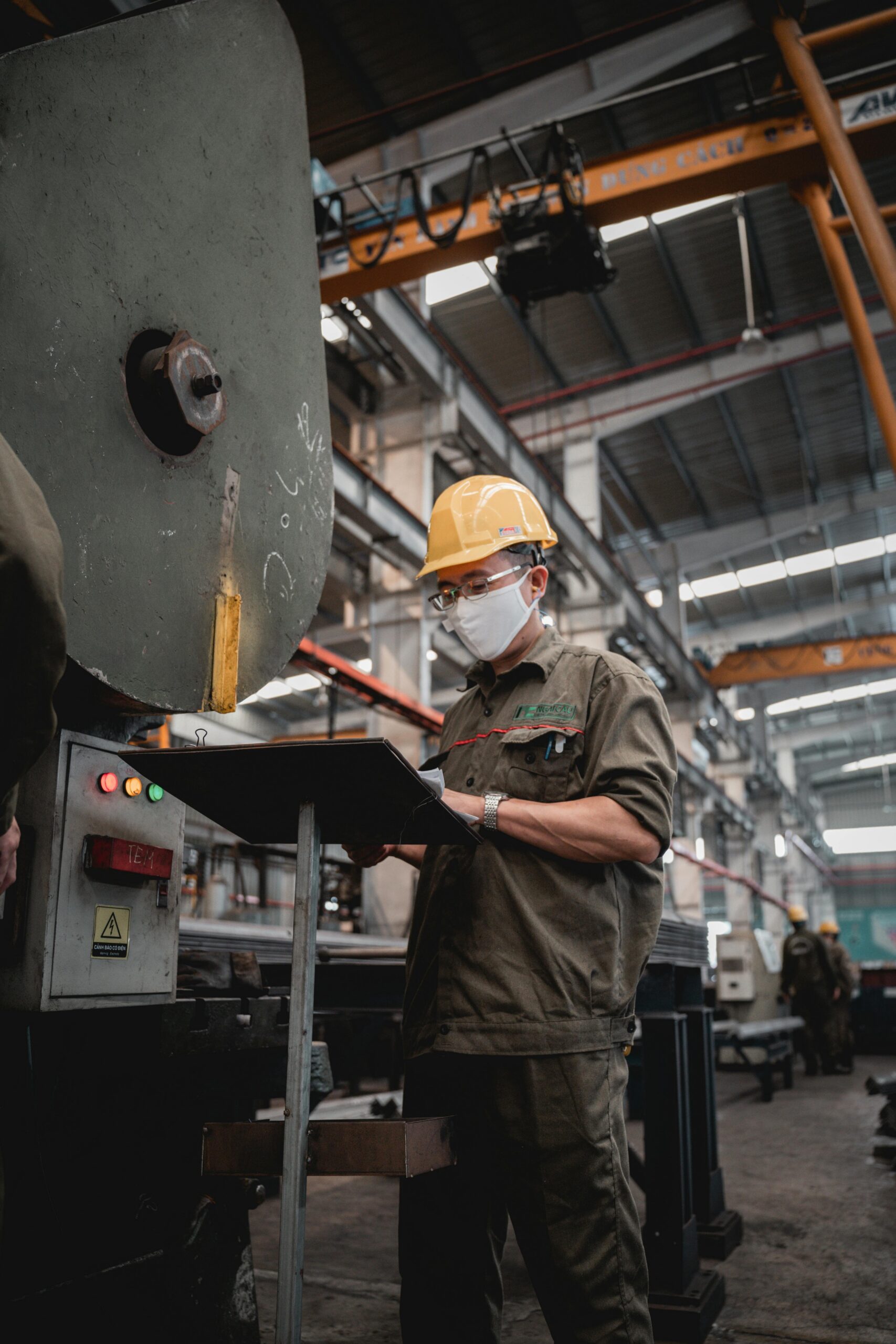
- Visual inspections of piping, valves, and instrumentation
- Checking safety systems and alarms
Regular inspections help identify small issues before they become major operational concerns.
4. Inventory Management
A well-organized spare parts and inventory strategy is essential for minimizing downtime.
Critical spare components should be readily available for:
- Pumps
- Motors
- Valves
- Sensors
- Instrumentation
- Control system components
Strong inventory management helps facilities respond quickly to repairs and avoid extended outages caused by supply chain delays.
5. Operators and Training
One of the most important parts of any O&M plan is making sure facility personnel are fully trained before startup.
Operators should understand:
- Safety procedures
- Startup and shutdown sequences
- Alarm response protocols
- Preventative maintenance tasks
- Third-party equipment and control systems
Well-trained operators are better equipped to identify problems early, respond to abnormal conditions, and keep the facility operating safely and efficiently.
Optimizing the Commissioning Plan for Long-Term Success
The best O&M programs begin before the facility goes live.
Early Systemization
Integrating O&M teams during commissioning allows operators to become familiar with equipment, systems, and testing procedures before startup.
This early involvement helps teams:
- Understand functional testing
- Learn equipment behavior
- Identify likely failure scenarios
- Build confidence before operations begin
Using CSU Deliverables
Commissioning and Startup (CSU) deliverables can become valuable troubleshooting tools during operations.
Original test scripts, startup procedures, and performance records provide a benchmark for comparing current system performance against original operating conditions.
Risk Mitigation Through Scenario Planning
Virtual testing and “what-if” scenario modeling allow operators to understand how failures in one area may impact the broader system.
This proactive approach helps facilities:
- Improve contingency planning
- Reduce operational surprises
- Minimize downtime risks
- Strengthen overall system resilience
Why O&M Is the Insurance Policy for RNG Success
A solid O&M plan acts as the insurance policy for an RNG project’s long-term financial and operational performance.
By combining preventative maintenance, predictive monitoring, operator training, and strong commissioning integration, RNG facilities can:
- Improve uptime
- Increase safety
- Reduce maintenance costs
- Protect production targets
- Maximize return on investment
Strong operations and maintenance practices help ensure that an RNG project continues delivering value long after construction is complete.
At Rev1 Energy, we help RNG facilities move beyond startup and into long-term operational success. Our team supports O&M planning, commissioning integration, startup, operator training, troubleshooting, and long-term reliability strategies that keep RNG facilities running safely and efficiently.
Related Posts

Lets get started
Discover how our commissioning software can transform your project management. Contact us today for a personalized consultation and demo!